How AI is Revolutionizing Wellness: 5 Ways Technology is Transforming Health
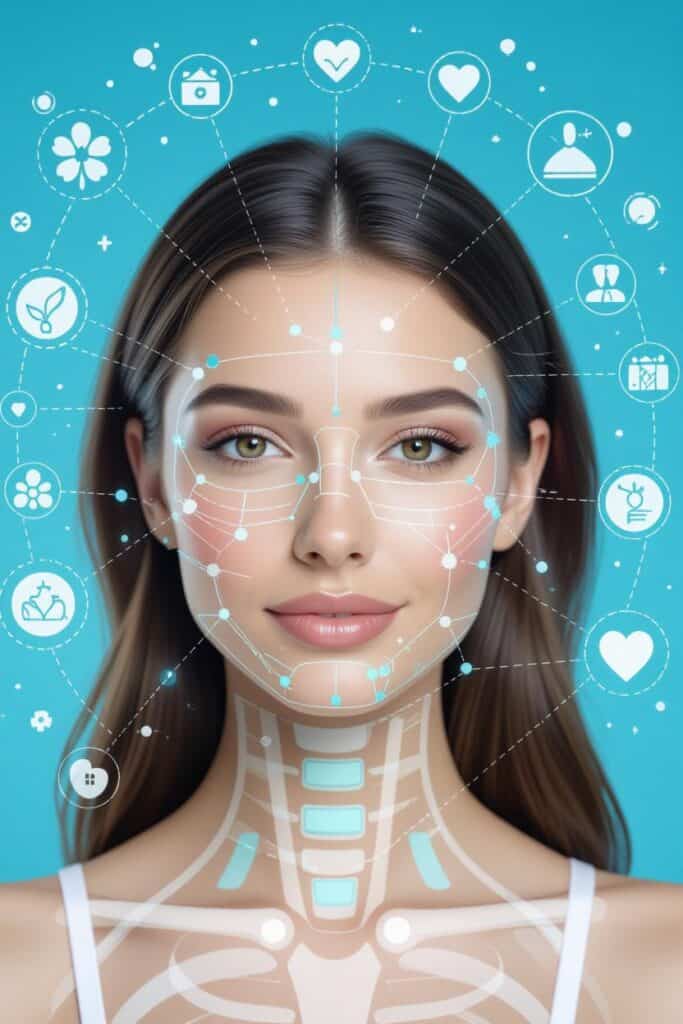
[Featured Image: Abstract AI + wellness concept – brain circuit with lotus design] Alt text: “AI for wellness concept showing digital brain circuits integrated with wellness symbols” File name: ai-wellness-revolution-featured.jpg
Thank you for reading this post, don't forget to subscribe!The wellness technology market has exploded, with AI-powered health apps experiencing a staggering 300% growth since 2020. Yet millions of people still struggle to maintain consistent healthy habits, often overwhelmed by generic advice that doesn’t fit their unique lifestyles. Traditional wellness approaches operate on a one-size-fits-all model, leaving individuals frustrated with programs that ignore their personal preferences, schedules, and biological differences. AI for wellness is changing this paradigm entirely. By leveraging machine learning algorithms and personalized data analysis, artificial intelligence is creating truly customized health experiences that adapt to each person’s needs, making sustainable wellness more achievable than ever before.
AI Mental Health Tools: Your Digital Wellness Companion
[Section Image: Person using meditation app on smartphone with calming interface] Alt text: “Person using AI-powered meditation app showing personalized mindfulness recommendations” File name: ai-mental-health-app.jpg
Mental health support has traditionally required scheduling appointments, traveling to offices, and working within limited availability windows. AI mental health tools are democratizing access to psychological support through intelligent chatbots, personalized meditation programs, and sophisticated mood tracking systems.
Headspace’s AI engine analyzes user behavior patterns to recommend specific meditation sessions based on stress levels, sleep quality, and daily activities. The algorithm learns from millions of user interactions, identifying which techniques work best for different personality types and life circumstances. Users report feeling more supported knowing their digital companion understands their unique mental health journey.
Woebot, an AI-powered therapeutic chatbot, uses cognitive behavioral therapy principles to provide immediate emotional support. The system recognizes emotional language patterns and responds with evidence-based interventions, offering 24/7 accessibility that human therapists cannot match. Clinical studies show users experience significant reduction in anxiety symptoms after just two weeks of interaction.
Advanced mood tracking applications like Daylio combine user input with AI analysis to identify emotional triggers and patterns. The technology correlates mood data with weather, social interactions, exercise, and sleep, revealing insights that users might never notice independently. This self-awareness becomes the foundation for proactive mental health management.
However, these tools complement rather than replace human connection. AI excels at pattern recognition and immediate availability, but lacks the empathy and complex understanding that qualified therapists provide. The most effective approach combines AI convenience with professional human guidance when needed.
Fitness Optimization AI: Your Personal Training Revolution
[Section Image: AI-powered workout visualization showing form correction and performance metrics] Alt text: “Fitness optimization AI displaying real-time workout form correction and personalized training metrics” File name: ai-fitness-optimization.jpg
Generic workout plans ignore individual biomechanics, fitness levels, and recovery patterns. Fitness optimization AI transforms exercise from guesswork into precise science, creating personalized training programs that evolve with your progress.
Mirror Home Gym uses computer vision and machine learning to analyze exercise form in real-time. The AI trainer provides immediate feedback on posture, movement patterns, and muscle engagement, preventing injuries while maximizing workout effectiveness. Users receive corrections typically available only through expensive personal training sessions.
Wearable technology like Fitbit’s algorithms process heart rate variability, sleep quality, and activity levels to recommend optimal workout intensity and recovery periods. The system learns individual response patterns, suggesting when to push harder or scale back based on physiological readiness rather than predetermined schedules.
Freeletics combines AI coaching with adaptive programming that responds to user feedback and performance data. The algorithm adjusts workout difficulty, exercise selection, and training frequency based on progress rates and user preferences. This personalization ensures consistent challenge without overwhelming beginners or boring advanced athletes.
Smart gym equipment integrated with AI platforms tracks detailed performance metrics, identifying strength imbalances and movement compensations before they become problematic. This proactive approach prevents common training injuries while optimizing muscle development patterns.
The technology excels at data analysis and pattern recognition but cannot replace the motivational support and accountability that human trainers provide. Successful fitness optimization often combines AI precision with human encouragement and social connection.
Smart Nutrition Technology: Intelligent Meal Planning Made Simple
[Section Image: Smart meal planning interface showing AI-generated nutrition recommendations] Alt text: “Smart nutrition technology interface displaying personalized meal plans and dietary analysis” File name: smart-nutrition-technology.jpg
Nutrition planning traditionally requires extensive knowledge of macronutrients, calorie counting, and meal preparation skills. Smart nutrition technology eliminates these barriers through intelligent meal planning, automated dietary analysis, and personalized nutrition recommendations.
Noom’s nutrition AI analyzes food logging patterns to identify eating triggers and suggest behavioral modifications. The system categorizes foods using a color-coded system while learning individual preferences and aversions. Users receive personalized coaching messages based on their specific challenges, whether emotional eating, portion control, or nutrient balance.
Meal planning applications like Eat This Much generate complete meal plans based on dietary restrictions, calorie goals, and taste preferences. The AI considers seasonal ingredient availability, cooking skill level, and time constraints to create realistic, sustainable meal strategies. Users report saving hours of weekly meal planning while improving nutritional consistency.
Smart kitchen appliances integrated with nutrition AI can analyze ingredient nutritional content and suggest recipe modifications to meet specific health goals. These systems learn cooking preferences while ensuring optimal nutrient density and portion control.
According to research published in the Journal of Medical Internet Research, users of AI-powered nutrition apps show 40% better adherence to dietary goals compared to traditional calorie-counting methods. The personalization and behavioral insights create sustainable changes rather than temporary restrictions.
Sleep Science Revolution: AI-Powered Rest Optimization
[Section Image: Sleep tracking dashboard showing detailed sleep pattern analysis] Alt text: “Sleep tracking algorithms dashboard displaying personalized sleep optimization recommendations” File name: sleep-tracking-algorithms.jpg
Quality sleep impacts every aspect of wellness, yet most people lack insight into their sleep patterns and optimization strategies. Sleep tracking algorithms and AI-powered rest optimization are revolutionizing how we understand and improve our nightly recovery.
Sleep Cycle uses machine learning to analyze movement patterns, ambient noise, and breathing rhythm during sleep. The algorithm identifies optimal wake times within natural sleep cycles, reducing morning grogginess while maximizing rest quality. Users wake feeling more refreshed even with identical sleep duration.
Advanced sleep tracking systems correlate sleep quality with daily activities, stress levels, caffeine intake, and environmental factors. This comprehensive analysis reveals personalized insights about sleep disruptors and optimization strategies unique to each individual’s lifestyle and biology.
Oura Ring’s AI algorithms process continuous biometric data to provide sleep readiness scores and recovery recommendations. The system learns individual baseline patterns and alerts users when sleep debt accumulates or recovery metrics decline, enabling proactive rest management.
Smart bedroom technology integrates with sleep AI to automatically adjust temperature, lighting, and sound based on sleep stage analysis. These environmental modifications optimize natural circadian rhythms without conscious effort from users.
Research from the National Sleep Foundation indicates that individuals using AI-powered sleep optimization tools experience 25% improvement in sleep quality metrics within six weeks of consistent use. The combination of data insights and automated environmental controls creates conditions for naturally better rest.
Navigating Ethical Considerations in AI Wellness
The integration of AI into personal wellness raises important questions about privacy, data security, and maintaining human connection in healthcare. These considerations deserve careful attention as technology becomes more prevalent in our health management.
Data privacy concerns top the list of ethical considerations. Wellness AI systems collect intimate information about mental health, physical capabilities, eating habits, and sleep patterns. Users must understand what data is collected, how it’s stored, and who has access to this sensitive information. Reputable companies implement encryption, secure storage, and transparent privacy policies, but users should research these practices before sharing personal health data.
Algorithm bias represents another significant concern. AI systems learn from existing datasets that may not represent diverse populations adequately. This can result in recommendations that work well for some demographic groups while being less effective or even harmful for others. Developers must prioritize inclusive datasets and regular bias testing to ensure equitable wellness solutions.
The human touch remains irreplaceable in wellness and healthcare. While AI excels at data analysis and pattern recognition, it cannot provide emotional support, intuitive understanding, or the motivational power of human connection. The most effective wellness approaches combine AI efficiency with human empathy and professional expertise.
Medical disclaimer considerations are crucial when AI systems provide health-related recommendations. Users must understand that AI wellness tools are not medical devices and cannot diagnose or treat health conditions. Professional medical consultation remains essential for serious health concerns or medical decision-making.
The Future of AI-Powered Wellness
AI for wellness represents just the beginning of a healthcare revolution that prioritizes personalization, accessibility, and prevention. As machine learning algorithms become more sophisticated and datasets more comprehensive, we can expect even more precise and effective wellness solutions.
The integration of wearable technology, smart home systems, and AI analysis will create seamless wellness ecosystems that support healthy choices without conscious effort. These advances promise to make optimal health more achievable for people regardless of their technical knowledge or economic resources.
Ready to explore how AI can transform your wellness journey? Start by identifying one area where personalized insights could make the biggest impact on your health goals. Whether that’s sleep optimization, fitness planning, or mental health support, the technology exists today to help you build sustainable, healthy habits that fit your unique lifestyle.
- “Recent NIH research shows AI’s potential in health applications.”
- “For more information on digital health trends, visit our technology section.”
- “The WHO’s guidelines on digital health provide additional context.”